
The African Gold Export Bible 2026 – Country-by-Country Compliance, Trade Mechanics & Sovereign Refinery Intelligence
Africa produces over 20% of global gold supply annually, yet fewer than 5% of the continent's 300+ refineries achieve LBMA Good Delivery status. The 2026 regulatory landscape has fundamentally transformed how gold exporters navigate compliance, logistics, and market access across the continent's 54 nations. This comprehensive guide reveals the complete gold export from Africa ecosystem with actionable intelligence you won't find elsewhere.
Africa's Gold Export Revolution: Why 2026 Demands a New Playbook
The continent's gold sector has undergone remarkable regulatory reforms aimed at increasing transparency, combating fraud, and maximizing economic benefits for African nations. For international investors, this presents a unique opportunity offering competitive pricing and significant returns in a rapidly modernizing market. Explore gold investment opportunities across Africa's top-producing nations.
Sovereign Refinery Revolution
Africa's shift from raw ore exporter to refined gold producer is rewriting global trade rules. New refineries in Guinea, Ghana, and Ethiopia are bypassing traditional Swiss and UAE channels. Explore African gold refineries with LBMA accreditation.
Regulatory Earthquake
Ghana's GoldBod Act 2025, Uganda's central bank monopoly, and Guinea's raw gold export ban have fundamentally reshaped how exporting gold from Africa operates. Licensed gold dealers must navigate entirely new compliance landscapes.
Traceability Mandate
Digital tracking systems in Tanzania, blockchain solutions in Ghana, and OECD due diligence requirements mean every gram of gold must now be traced from mine to market. View certified gold with full provenance documentation.
Africa's Global Gold Position
Understanding the scale of African gold production and exports is essential for any serious gold exporter.
of global gold reserves
of global gold production
annual gold exports
of top 10 gold-producing countries
Ghana, South Africa, Mali, Tanzania, and Burkina Faso dominate production. Explore Ghanaian gold, Tanzanian gold, and Ugandan gold export opportunities.
African Gold Export Laws 2026 – Country-by-Country Compliance Mastery
The 2026 regulatory landscape has transformed how exporting gold from Africa operates. Understanding each country's unique framework is essential for successful gold export from Africa.
???? Ghana – The GoldBod Monopoly
Most TransparentThe Gold Board Act 2025 centralizes all small-scale gold purchases through GoldBod. Foreign buyers must purchase exclusively through this state entity. Export permit fees, traceability mandates, and the new certification system have made Ghana the most regulated but also most transparent destination. Connect with Ghanaian gold suppliers.
???? Uganda – The Central Bank Monopoly
High Risk, High RewardThe Bank of Uganda now holds exclusive rights to purchase all gold from artisanal and small-scale miners. Private gold exporters can only trade with the central bank or obtain special dispensation. For those researching export of gold from Uganda, these rules are non-negotiable. Learn about Ugandan gold exports.
???? Guinea – The Raw Gold Ban
Game ChangerThe 90-day raw gold export ban reshapes West African supply chains. All gold must now undergo local refining before export, forcing investment in domestic processing capacity. Explore African refinery capacity.

Africa's Gold Refinery Boom – How Local Processing is Rewriting Global Trade Rules
Africa loses an estimated $5 billion annually by exporting raw gold instead of refined bullion. The continent's sovereign refinery revolution is changing that. Explore African refineries with LBMA accreditation.
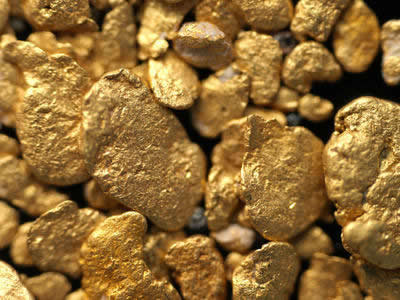
African Gold Refinery Accreditation Pipeline – Current Status and 2027 Projections
Guinea's Nimba Gold Refinery
Africa's largest refinery, set to process 200+ tons annually by 2027. This facility represents a paradigm shift in West African gold trade, bypassing traditional Swiss and UAE channels. Learn about Guinean gold exports.
Ghana's Gold Coast Refinery
Partnership with Rand Refinery to achieve Good Delivery List (GDL) certification. This facility processes gold from across West Africa, providing LBMA-accredited bullion. Browse Ghanaian bullion.
Ethiopia's Refinery Hub
New certification hub positioning Ethiopia as a gateway for East African gold. This facility is bypassing traditional Dubai channels for refined gold exports. Explore East African gold trading.
The $5 Billion Question
Africa loses $5 billion annually by exporting raw gold instead of refined bullion. The economics of local refining create opportunities for gold investment in African processing capacity.
How Sovereign Refineries Affect Global Pricing
- LBMA Pricing: Local refineries create alternative pricing benchmarks
- COMEX Futures: Reduced reliance on paper gold markets
- Shanghai Premiums: Direct access to Asian markets without Swiss intermediation
- This shift directly impacts anyone engaged in gold export from Africa to Dubai as Dubai's traditional dominance is challenged.
"Local refining capacity creates sovereign control over gold value capture. The continent's future lies in processing, not just extraction."
How to Verify Legitimate African Gold – The Ultimate Anti-Fraud Playbook for 2026
Working with legitimate gold exporters requires rigorous verification. This anti-fraud playbook protects your investment.
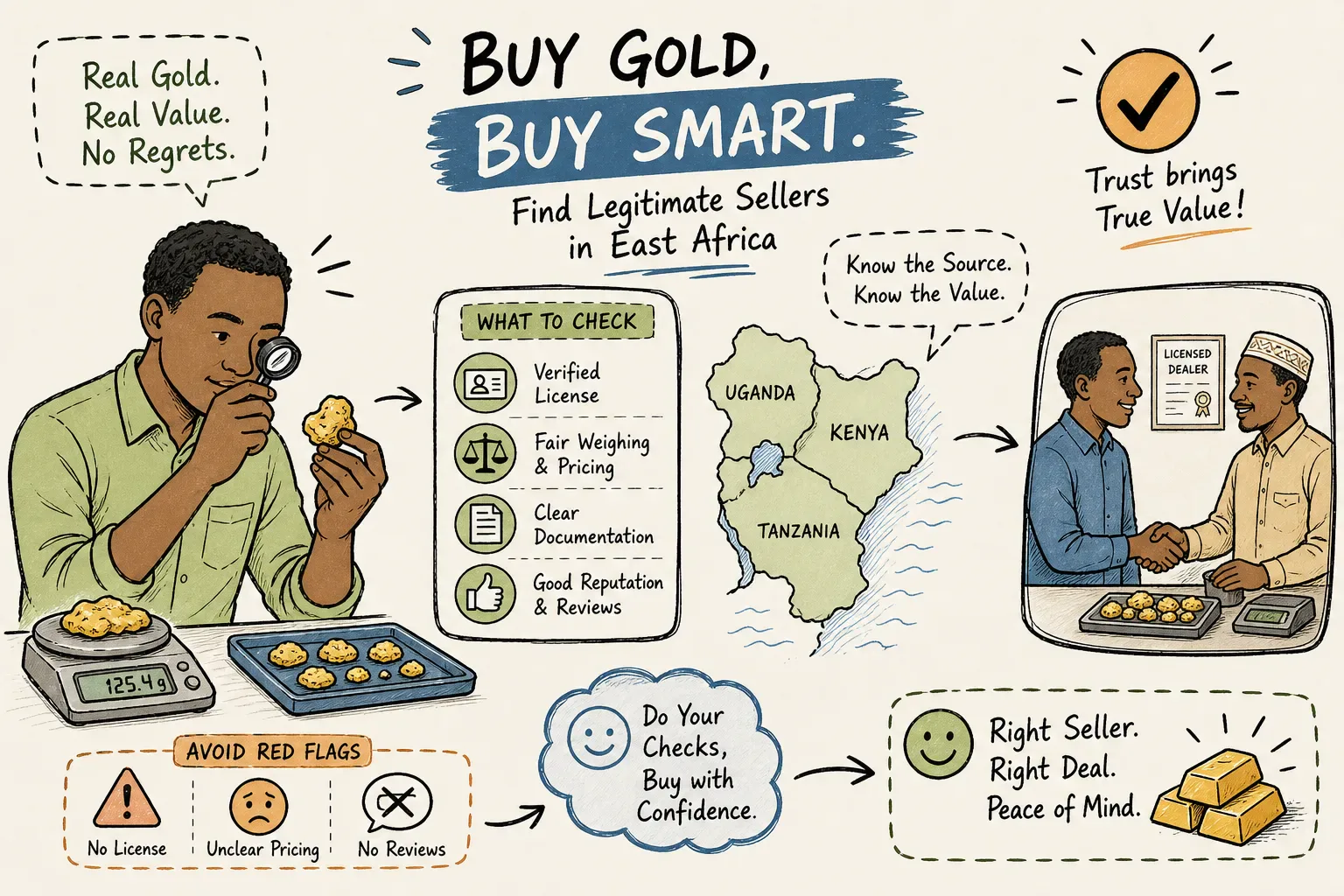
African Gold Fraud Red Flags – Due Diligence Checklist for International Buyers
The Illicit Gold Pipeline
Mapping the illicit gold pipeline from DRC and Sudan through Kenya and Uganda to Dubai reveals systematic fraud patterns.
Your 10-Step Verification Protocol
-
1
Government License Verification – Contact the relevant ministry directly using official government websites
-
2
Physical Office Inspection – Visit the seller's office personally and verify business registration
-
3
Gold Stock Verification – View and test the gold physically; never accept photographs as proof
-
4
Documentation Verification – Have independent legal experts review all documents
-
5
Refinery Validation – Confirm the assay with the issuing refinery directly
-
6
Banking Validation – Verify the seller's banking relationships with major international banks
-
7
LBMA Good Delivery Standards – Confirm refinery accreditation status
-
8
Digital Traceability Platforms – Use blockchain solutions deployed in Ghana and Tanzania
-
9
OECD Due Diligence Guidance – Follow the compliance checklists
-
10
Sanctions Screening – Ensure you're not dealing with sanctioned entities
Comprehensive Red Flag Checklist
The Economics of African Gold Trading – Margins, FX, and Payment Mechanics 2026
Understanding the financial mechanics of gold export from Africa is essential for profitable trading. Explore gold trading strategies and financial instruments.
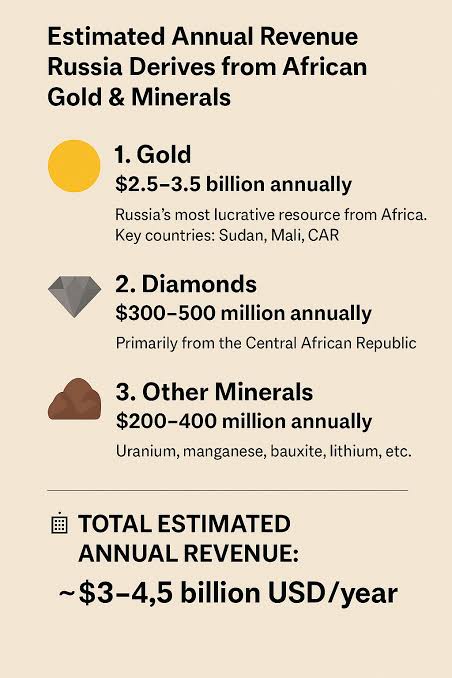
African Gold Export Margin Breakdown and FX Hedging Strategies
Uganda's $5.8B Gold Export Paradox
Uganda's $5.8 billion gold export boom doesn't benefit local miners. The central bank monopoly captures most of the value, creating a paradox of high exports but limited local economic development.
FX Hedging Strategies
- Using gold to counter dollar-denominated asset freezes
- Physical gold as a hedge against local currency devaluation
- Cross-border arbitrage opportunities between African markets
- Profit repatriation – country-by-country rules for wiring funds out of Ghana, Tanzania, and Uganda
Cost Breakdown
- Export Duties: 0.5%–5% of gross value
- Royalties: 1.5%–6% of gross value
- Logistics: 2%–5% of gross value
- Insurance: 0.5%–2% of gross value
- Total Landed Cost: Base Price + Refining + Export Duties + Logistics + Compliance
LBMA Paper Gold
The global benchmark for gold pricing, but physical gold in Shanghai trades at a premium to LBMA paper gold. Understanding this spread is essential for gold investment strategy.
Shanghai Gold Exchange
Physical gold in Shanghai often trades 5-10% above LBMA spot due to Asian demand. This creates arbitrage opportunities for gold exporters.
Dubai Gold Market
Dubai's DMCC has historically been the top destination for gold export from Africa to Dubai, though local refining is gradually shifting this dynamic. Explore African gold exports to Dubai.
African Gold Export Process – Documentation, Shipping, and Compliance Workflow
Master the complete African gold export process from mine gate to refinery dock. Learn about gold trading logistics and compliance.
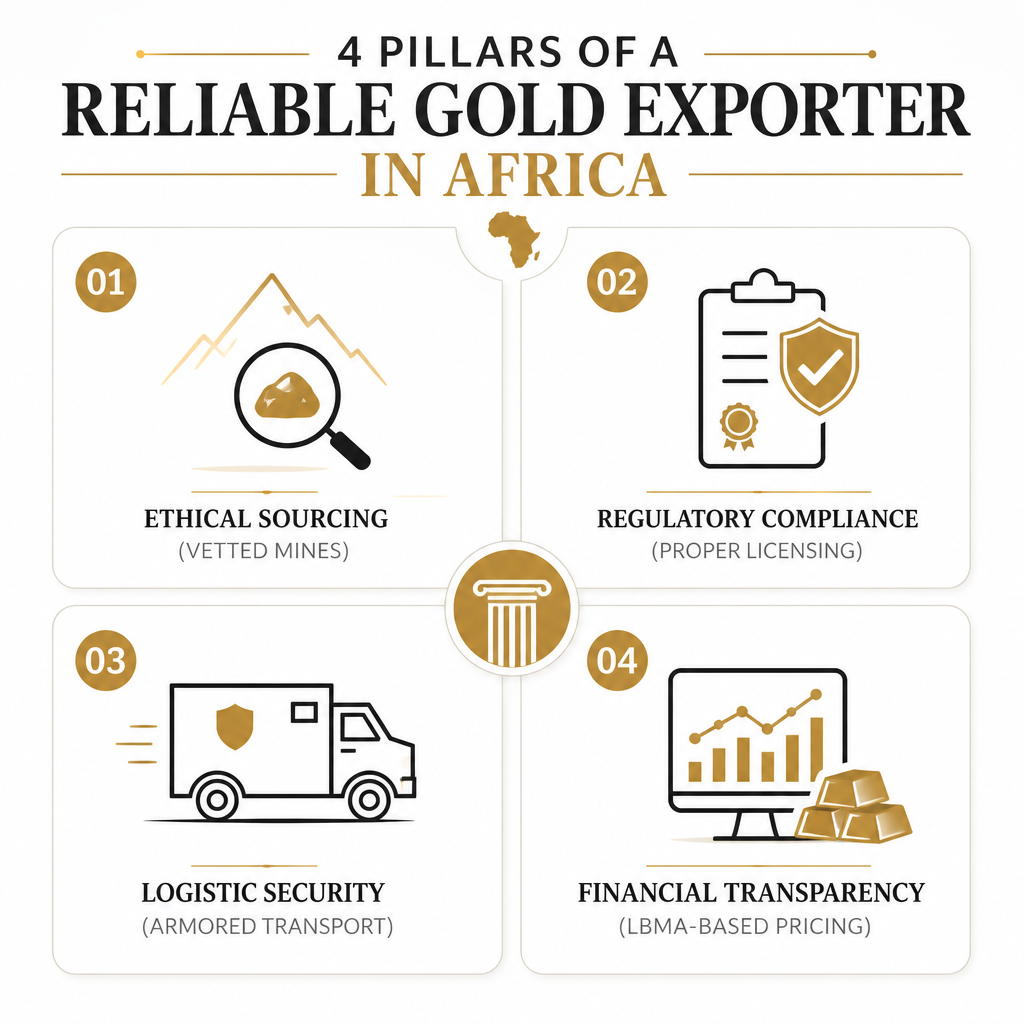
African Gold Export Logistics Workflow and Documentation Flowchart
Required Export Documentation
-
✓
Certificate of Origin – Verified with the issuing ministry
-
✓
Export Permit – Valid and current, verified with authority
-
✓
Customs Declaration – Accurate valuation and description
-
✓
Assay Certificate – From recognized refinery, confirmed with issuing lab
-
✓
Commercial Invoice – For customs valuation
-
✓
Packing List – Detailed itemized shipment contents
-
✓
Insurance Certificate – Full coverage from recognized provider
-
✓
Bill of Lading – From accredited freight forwarder
-
✓
Tax Clearance – Verified with revenue authority
Logistics Infrastructure
Major Export Hubs
- Dar es Salaam, Tanzania – East Africa's primary gold export port
- Mombasa, Kenya – Regional hub for East African gold
- Tema, Ghana – West Africa's largest gold export port
- Durban, South Africa – Southern Africa's major export point
Specialized Security Providers
- Brinks – Global security logistics
- Malca-Amit – Precious metals specialists
- Transguard – Regional security provider
- G4S – International security logistics
- Loomis – Secure cash and valuables transport
Warehousing & Consolidation Hubs
- Kampala, Uganda – Regional consolidation hub
- Accra, Ghana – West African warehousing center
- Johannesburg, South Africa – Southern African distribution point
Air Freight vs. Sea Freight
- Cost: Premium
- Speed: 2-5 days
- Security: High
- Insurance: Higher premiums
- Best for: Small quantities, urgent shipments
- Cost: Economical
- Speed: 14-30 days
- Security: Moderate
- Insurance: Lower premiums
- Best for: Large quantities, bulk shipments
Direct Answers to Your Most Pressing Questions
Get immediate, authoritative answers to the most common questions about exporting gold from Africa.
Is it legal to export gold from Uganda?
Yes, but with severe restrictions effective 2025. The Bank of Uganda now holds exclusive rights to purchase all gold produced from artisanal and small-scale miners. Private gold exporters can only trade with the central bank or obtain special dispensation. Export licenses cost approximately $2,500–$5,000 annually, with a 1.5% royalty on gross value. For anyone researching export of gold from Uganda or gold export from Uganda, these new rules are non-negotiable. Learn about Ugandan gold exports.
Who is the biggest exporter of gold in Africa?
Ghana currently leads, exporting over 140 tons annually, followed by South Africa (110 tons) and Mali (70 tons). However, Uganda has emerged as a surprising leader in 2025, exporting $5.8B worth, though much of this is transshipment from neighboring DRC. When analyzing which country exports gold at scale, these three nations dominate, but the question of which countries export the most gold is increasingly complex due to re-exports and smuggling. Explore Ghana's gold exports.
How to buy gold directly from Africa?
Step 1: Obtain a valid import/export license in your home country. Step 2: Register with the Ministry of Mines or Gold Board in the source country. Step 3: Use LBMA-certified refineries and demand GDL bars. Step 4: Partner with a licensed local exporter who holds valid permits. Step 5: Arrange inspected, insured logistics through Kampala or Dar es Salaam. Experienced gold exporters know that the African gold export process requires patience, local partnerships, and flawless export documentation. Browse African gold for sale from verified dealers.
How much does it cost to have a license in Uganda to buy gold and export gold?
The current regulatory framework charges approximately $2,500–$5,000 for an annual export license, plus a 1.5% royalty on gross export value, a 0.5% inspectors fee, and $1,000–$2,000 for environmental compliance certification. Total first-year costs range between $5,000–$10,000 excluding legal fees. These costs are essential to factor into any gold export from Africa business plan. Connect with Ugandan gold suppliers.
How to export gold from South Africa?
The process for how to export gold from South Africa involves registering with the South African Reserve Bank, obtaining a precious metals export permit from the Department of Mineral Resources, securing a Kimberley Process certificate (for rough diamonds, though applicable for some gold categories), completing SARS customs declarations, and using accredited logistics providers. For those specifically interested in exporting gold from South Africa, the key is compliance with exchange control regulations. Work with verified South African gold exporters.
What is the process for exporting gold from Africa to Dubai?
For gold export from Africa to Dubai or exporting gold from Africa to Dubai, the workflow begins with sourcing certified gold, obtaining origin and assay certificates, securing export permits from the producing country's mining ministry, then arranging secure freight to Dubai's DMCC gold market. Dubai has historically been the top destination for exporting gold from Africa, though local refining is gradually shifting this dynamic. Explore gold exports to Dubai.
What is the complete African gold export process?
The African gold export process follows a structured workflow: 1) Sourcing certified gold from licensed miners or dealers. 2) Independent assaying to verify purity and weight. 3) Obtaining all required export documentation including certificate of origin, export permit, customs declaration, and assay certificate. 4) Securing export permits from the country's mining ministry. 5) Arranging secure gold logistics with specialized security providers. 6) Customs clearance and inspection at the port of export. 7) Shipping via air or sea freight to the destination refinery. 8) Import compliance in the destination country. 9) Refining and storage. 10) Final sale to bullion banks or end-users. Learn about gold trading and logistics.
Who are the most reliable gold exporters in Africa?
Reliable gold exporters are those who hold valid licenses from their respective government mining ministries, maintain verifiable banking relationships, and provide independent assay certificates from recognized refineries. Ghanaian exporters operating under the GoldBod system are considered among the most reliable due to the centralized regulatory oversight. Find trusted African gold exporters with verified credentials.
What are the best practices for gold logistics in Africa?
Best practices for gold logistics include: using specialized security providers like Brinks, Malca-Amit, or Transguard; ensuring full insurance coverage for the shipment's value; utilizing GPS tracking for real-time monitoring; employing armed security for overland transport; and using accredited freight forwarders with experience in precious metals. Explore gold logistics solutions for African exports.
What export documentation is required for African gold?
Essential export documentation includes: a valid export permit, certificate of origin, assay certificate from a recognized refinery, customs declaration, commercial invoice, packing list, insurance certificate, bill of lading, tax clearance certificate, and KYC documentation for all parties. View certified gold documentation requirements.
Continental Governance & Regulatory Bodies
Our network operates in full compliance with international standards and continental frameworks.
Good Delivery Standards
Industry Data & Ethics
Transparency Standards
Trade Finance
Continental Bodies
Regional Economic Communities
???? Ghana
???? South Africa
???? Uganda
???? Tanzania
???? Kenya
???? DRC
???? Rwanda
???? Zambia
Your African Gold Export Blueprint
The African gold export market represents a significant opportunity for international traders seeking access to the continent's vast resources. Africa's growing regulatory frameworks are making the continent's gold trade more transparent and secure than ever before. Explore African gold for sale and start your export journey.
Key Takeaways
- + Always work with licensed dealers verified through government mining registries
- + Conduct comprehensive due diligence on every transaction using the 10-step protocol
- + Never make cash payments – use escrow or LC arrangements
- + Verify gold independently through recognized assay services
- + Secure proper documentation including export permits and certificate of origin
Export Considerations
- + Gold export from Africa offers competitive pricing compared to other markets
- + Enhanced security through growing regulatory frameworks
- + Continental integration through AfCFTA facilitating smoother trade
- + Global recognition through LBMA Good Delivery standards
- + African refineries provide increasing processing capacity
Getting Started
Your Partner in African Gold Export
At Pearl Gold Africa, we specialize in connecting international buyers with verified, licensed African gold suppliers and exporters. Browse our gold inventory and start your export journey.
Disclaimer: This guide provides general information for educational purposes. Gold trading and export regulations vary by country and change frequently. Always consult with qualified legal and financial professionals before engaging in gold transactions. Pearl Gold Africa does not provide legal, financial, or investment advice. All transactions should be conducted in accordance with applicable laws and regulations.
Ready to Start Exporting?
Connect with our institutional trading desk to receive current market quotes, compliance documentation, and logistics support. Contact our bullion dealers.